The AI Revolution in Video Editing
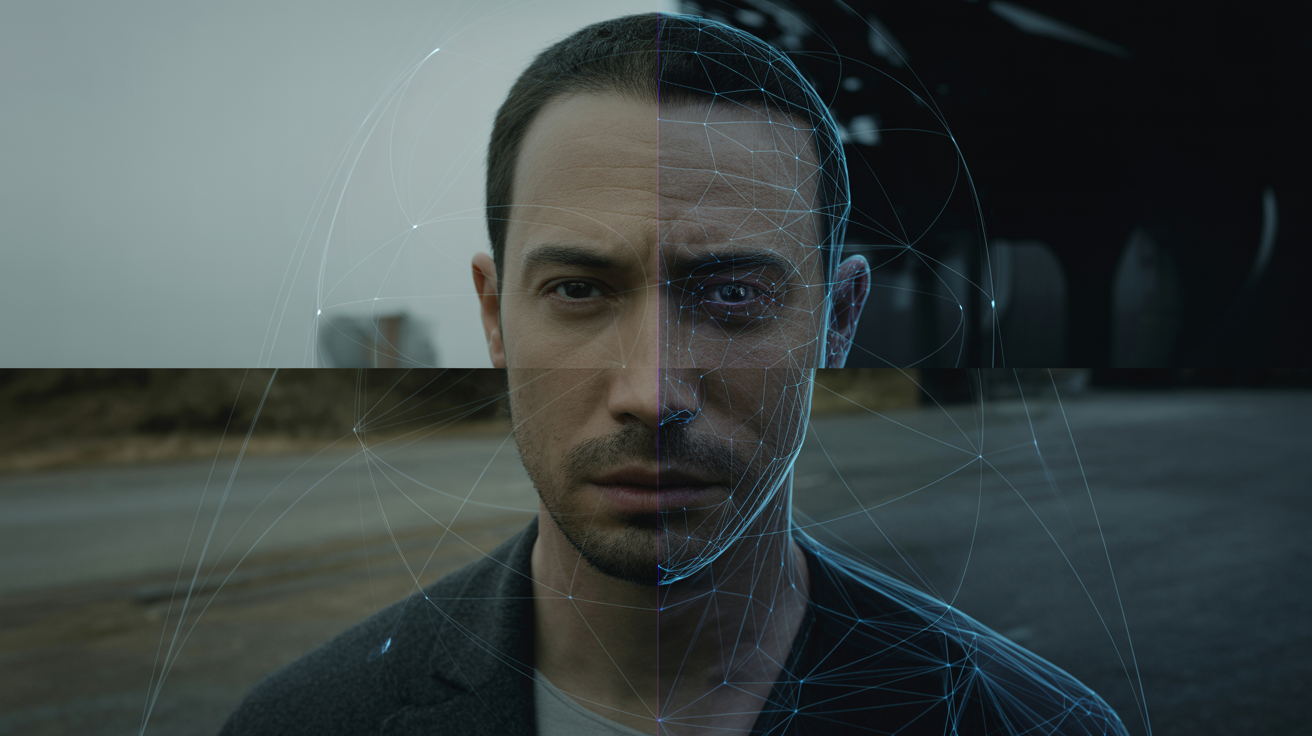
The video editing industry is undergoing its biggest transformation since the shift from linear to non-linear editing in the 1990s. Artificial intelligence is not just improving existing tools — it's fundamentally changing how we think about creating video content.
Where We Are Today
In 2026, AI-powered video editing capabilities include:
Intelligent Automation
- Auto-editing: AI can assemble rough cuts from raw footage based on voice analysis and visual content
- Smart transitions: Algorithms select optimal transition types based on scene content and pacing
- Auto-framing: AI tracks subjects and automatically reframes for different aspect ratios
- Scene detection: Automatic identification and tagging of different scenes, locations, and subjects
Content Enhancement
- Super resolution: Upscale old 720p footage to crisp 4K
- Frame interpolation: Convert 30fps to smooth 60fps
- AI color correction: One-click professional color grading
- Background removal: Remove or replace backgrounds without green screens
- Noise reduction: Clean up audio and video noise with AI models trained on millions of samples
Language and Accessibility
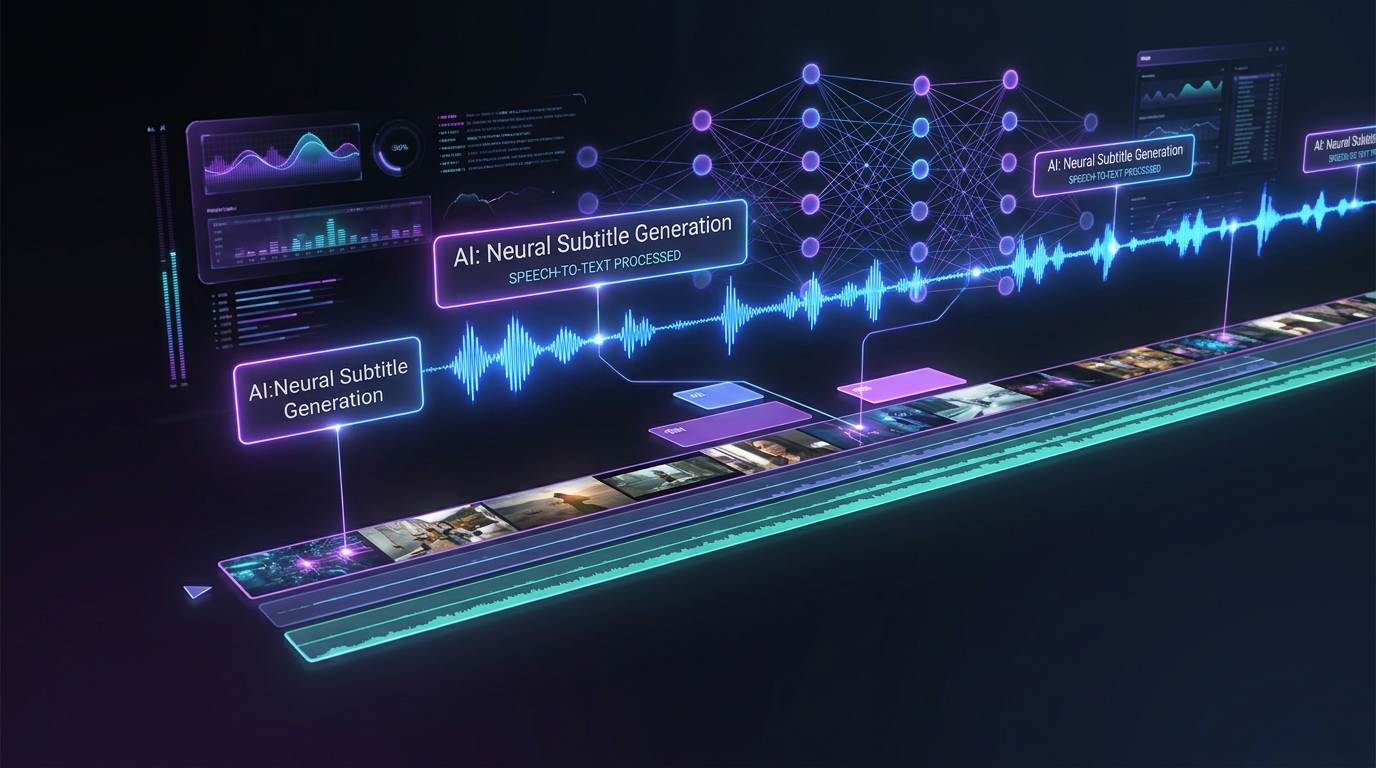
- Real-time transcription: 95%+ accuracy across 100+ languages
- AI translation: Translate subtitles while maintaining context and cultural nuance
- Voice cloning: Dub your video in other languages with your own voice
- Audio description: AI-generated descriptions for visually impaired viewers
The Democratization of Video Production
Perhaps the most significant impact of AI in video editing is democratization. Consider the traditional video production pipeline:
Before AI
- Filming → Professional camera operators
- Editing → Skilled editors (months of training)
- Color grading → Specialized colorists
- Audio mixing → Sound engineers
- Subtitles → Transcriptionists and translators
- Adaptation → Different editors for each platform
Total team size: 5-10 specialists
Timeline: Days to weeks per video
With AI
- Filming → Anyone with a smartphone
- Editing + Color + Audio + Subtitles + Adaptation → AI-assisted workflow
Total team size: 1 creator + AI
Timeline: Hours per video
This doesn't mean professionals are obsolete — far from it. But it means that a solo creator can now produce content that would have required an entire production team just five years ago.
Real-World Impact by Industry
Content Creators & Influencers
Creators who adopted AI editing tools early reported:
- 3x faster production cycles
- 50% more content output per month
- Higher quality consistency across videos
- More time for strategy and audience engagement
Small Businesses
For small businesses, AI video editing means:
- No need to hire expensive agencies for simple video content
- Quick turnaround on promotional videos
- Multi-language marketing without translation costs
- Professional results without professional training
Education
Educators are using AI editing to:
- Auto-subtitle lectures for accessibility compliance
- Translate courses for international students
- Create short clips from long lectures for review materials
- Enhance recording quality from basic classroom setups
Corporate Communications
Enterprise companies leverage AI for:
- Training video production at scale
- Multi-language internal communications
- Quick event recaps from conference recordings
- Brand-consistent content with template automation
What's Coming Next
The next wave of AI video editing will bring:
Text-to-Video
Describe what you want, and AI generates the video. Early versions exist today, but by 2027, expect near-production-quality results for many use cases.
Predictive Editing
AI that learns your editing style and pre-edits footage before you even open the project. It understands your preferred cuts, transitions, and pacing.
Real-Time Collaboration
AI mediating between multiple editors, resolving conflicts, suggesting compromises, and maintaining consistent style across team members.
Emotional Intelligence
AI that understands the emotional arc of content and adjusts music, pacing, and color grading to maximize emotional impact.
The Human Element Remains
Despite all these advances, the human element in video creation is irreplaceable:
- Creative vision: AI can execute, but it can't dream
- Emotional authenticity: Real human stories resonate in ways AI can't replicate
- Cultural nuance: Understanding context requires human judgment
- Strategic thinking: Knowing what content to create and why
The future isn't AI replacing creators — it's AI empowering creators to focus on what they do best: being creative, authentic, and human.
Embrace the Future Today
The creators who thrive in 2026 and beyond are those who embrace AI as a creative partner, not a threat. The technology is here, it's accessible, and it's getting better every day.
Start your AI-powered editing journey with Cimora AI — where technology meets creativity.